Last-mile delivery refers to the final step in the shipping process — when a package moves from a distribution center to the customer’s doorstep. While it may seem like a small part of logistics, it is often the most critical and complex stage of the entire supply chain.
What Is Last-Mile Delivery?
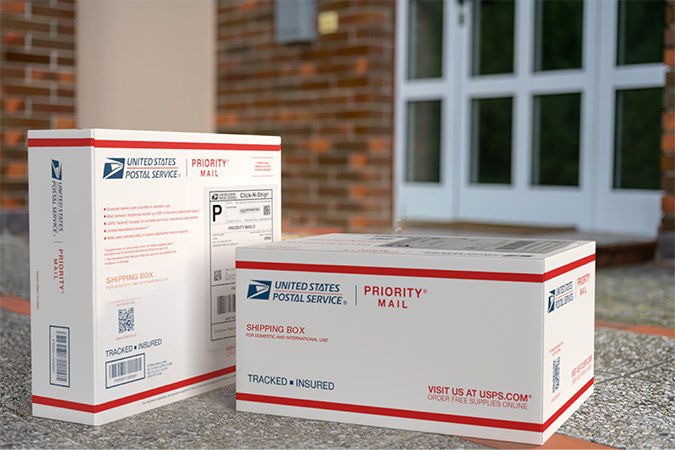
Last-mile delivery is the final transfer of goods to the end customer. This stage directly impacts delivery speed, customer satisfaction, and overall service quality. Because it involves direct interaction with the recipient, it plays a major role in shaping customer perception.
Why It Is So Important
Last-mile delivery is the point where businesses fulfill their promises. Even if the earlier stages of shipping run smoothly, delays or issues during the final delivery can negatively affect the entire experience. Fast and reliable last-mile service ensures customers receive their orders on time and in good condition.
Customer Experience and Expectations
Today’s customers expect quick deliveries and accurate tracking. Real-time updates, clear delivery windows, and professional handling all contribute to a positive experience. Efficient last-mile operations help meet these expectations and build long-term trust.
Challenges in Last-Mile Delivery
Last-mile logistics can be complex due to traffic conditions, delivery density, failed delivery attempts, and route planning. Without proper coordination and technology, costs can increase and service quality may decline.
The Role of Technology
Advanced routing systems, real-time tracking, and automated notifications help streamline last-mile operations. These tools reduce delays, improve efficiency, and provide transparency for both businesses and customers.
Conclusion
Last-mile delivery is one of the most important components of modern logistics. It directly influences customer satisfaction, operational efficiency, and brand reputation. Businesses that invest in optimizing last-mile delivery gain a competitive advantage and strengthen their relationship with customers.
If you’d like, I can also: